The Return Policy Playbook: How to Get Your Money Back at Any Store Without the Headache
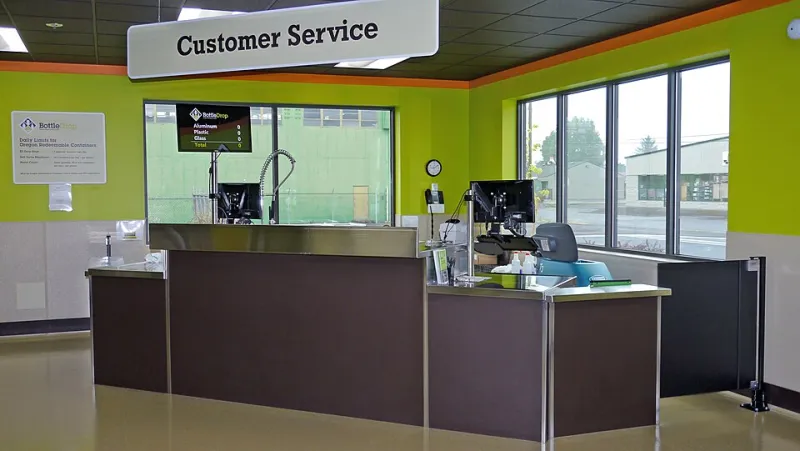
Photo: Rick Obst, CC BY 2.0, via Wikimedia Commons
We've all been there. You get home, open the box, and realize the thing you bought is the wrong size, broken, or just not what you expected. So you dig through your wallet for the receipt, check the calendar to see if you're still within the return window, and then spend 20 minutes reading fine print on a website that seems designed to confuse you.
Return policies are one of the most misunderstood corners of the retail world — and retailers know it. The good news is that once you understand how these policies actually work, you'll rarely lose money on a bad purchase again. Let's break it all down.
The Big Box Basics: Walmart, Target, and Costco
Starting with the retailers most Americans shop at most often.
Walmart operates on a standard 90-day return window for most items, which is genuinely generous compared to the industry norm. Electronics and certain tech items are the exception — those drop to 30 days. You don't always need a receipt; Walmart's system can often look up purchases using your credit card, debit card, or even your phone number if you're a loyalty member. Without any purchase record at all, you may still receive a cash refund up to a certain amount, or store credit, at the manager's discretion.
Target also offers a 90-day standard window, but here's a perk that a lot of shoppers overlook: if you used a Target Circle card (formerly RedCard) for your purchase, that window extends to a full year for most items. Electronics and entertainment items still cap out at 30 days, but that extended timeline for cardholders is a real advantage. Target's app also stores digital receipts, which eliminates a lot of the usual headaches.
Costco is arguably the most shopper-friendly of the big three. Their return policy on most merchandise is essentially unlimited — there's no stated time limit on the majority of products. Electronics are the exception at 90 days, but everything else? Costco famously accepts returns on items years after purchase, no questions asked. This policy is a huge part of why Costco members feel such strong brand loyalty.
Specialty Retailers: Where Things Get Complicated
Once you move beyond the big box stores, return policies start to vary wildly — and the stakes often get higher because you're dealing with pricier purchases.
Best Buy gives you 15 days on most items (30 days for My Best Buy Elite and Elite Plus members). That's a tight window, especially for tech gifts. Restocking fees used to be a bigger issue at Best Buy, but they've largely eliminated them for most product categories. The exception: opened software, prepaid cards, and certain large-format items may still carry fees. Always ask before you buy.
Nordstrom has built its entire brand reputation partly on a legendary return policy. They don't publish a strict time limit, and their approach has historically been "use good judgment" — meaning a well-worn item returned years later has, in documented cases, been accepted. In practice, they've tightened things up somewhat in recent years to prevent abuse, but Nordstrom still offers one of the most flexible policies in retail. No receipt? They'll work with you.
Home Depot and Lowe's both offer 90-day windows on most purchases, with 30 days for major appliances. One underrated tip: contractor and Pro account holders at Home Depot get a full year on most purchases. If you're doing any serious home improvement, that account is worth setting up even if you're not a professional contractor.
The "No Receipt" Reality
Here's what most shoppers don't realize: the absence of a physical receipt doesn't automatically mean you're out of luck. Modern retail systems are remarkably good at tracking purchases.
If you paid by credit or debit card, most major retailers can pull up your transaction history at the register. If you're a loyalty program member — Target Circle, Walmart+, Amazon, etc. — your purchase history is stored digitally and can be retrieved instantly. Even without any of these, many stores will issue store credit for the current selling price of the item, which at minimum keeps your money in play.
The only scenario where you're genuinely stuck is cash purchases with no loyalty account and no digital paper trail. In that case, your outcome depends heavily on the individual store manager and the item in question.
Restocking Fees: The Fine Print That Costs You
Restocking fees are the retail world's version of a gotcha. They're most common in electronics, appliances, and furniture, and they can run anywhere from 10% to 25% of the purchase price.
A few categories where you're most likely to encounter them:
- Opened laptops and desktop computers at some retailers
- Drones and certain camera equipment
- Special-order furniture and custom items
- Some mattresses (which often have separate "comfort guarantee" policies)
The best defense is asking about restocking fees before you complete a purchase, especially for big-ticket items. And if you're buying online, check whether the fee applies to online returns shipped back versus in-store returns — sometimes the in-store option avoids the fee entirely.
Your Legal Rights: What the Law Actually Says
Here's something a lot of shoppers don't know: the federal government doesn't mandate a specific return policy for retailers. Stores are legally allowed to have a "no returns" policy if they disclose it clearly. However, several states have enacted consumer protection laws that add a layer of protection.
California requires retailers to conspicuously post their return policies. If a store fails to do so, California law defaults to a 30-day return window for customers.
New York has similar disclosure requirements — if a store's policy is more restrictive than 30 days, it must be clearly posted or the 30-day default kicks in.
Connecticut, Rhode Island, and Massachusetts also have consumer-friendly disclosure laws that can work in your favor if a retailer's policy isn't prominently displayed.
Beyond state laws, credit card chargebacks are a powerful tool that many shoppers underuse. If you purchased something with a credit card and a retailer refuses a legitimate return, you may be able to dispute the charge with your card issuer. This is especially useful for items that arrived damaged or weren't as described.
Smart Moves That Make Returns Easier
A few habits that will save you serious frustration down the road:
- Always join the loyalty program. Even if you shop somewhere infrequently, the digital receipt storage alone is worth it.
- Take a photo of your receipt. Before it fades or you lose it, snap a picture and keep it in a dedicated folder.
- Know the clock. Set a reminder on your phone for the return deadline when you buy something you're unsure about.
- Ask about exceptions upfront. Especially for electronics, furniture, and appliances — know before you walk out the door.
- Be polite and persistent. Return desk staff have more discretion than you might think. A calm, reasonable approach gets better results than frustration.
The Takeaway
Return policies aren't designed to be consumer-friendly by accident — they're a competitive tool that retailers use to earn your trust and your repeat business. The more you understand the rules of the game, the better positioned you are to protect your money.
When in doubt, pay with a credit card that offers purchase protection, join the store's loyalty program, and don't wait until the last minute to decide whether something is a keeper. A little preparation goes a long way when it comes to keeping your hard-earned dollars exactly where they belong — in your pocket.