Exclusive Doesn't Always Mean Better: How Retailers Use Custom SKUs to Kill Price Comparisons
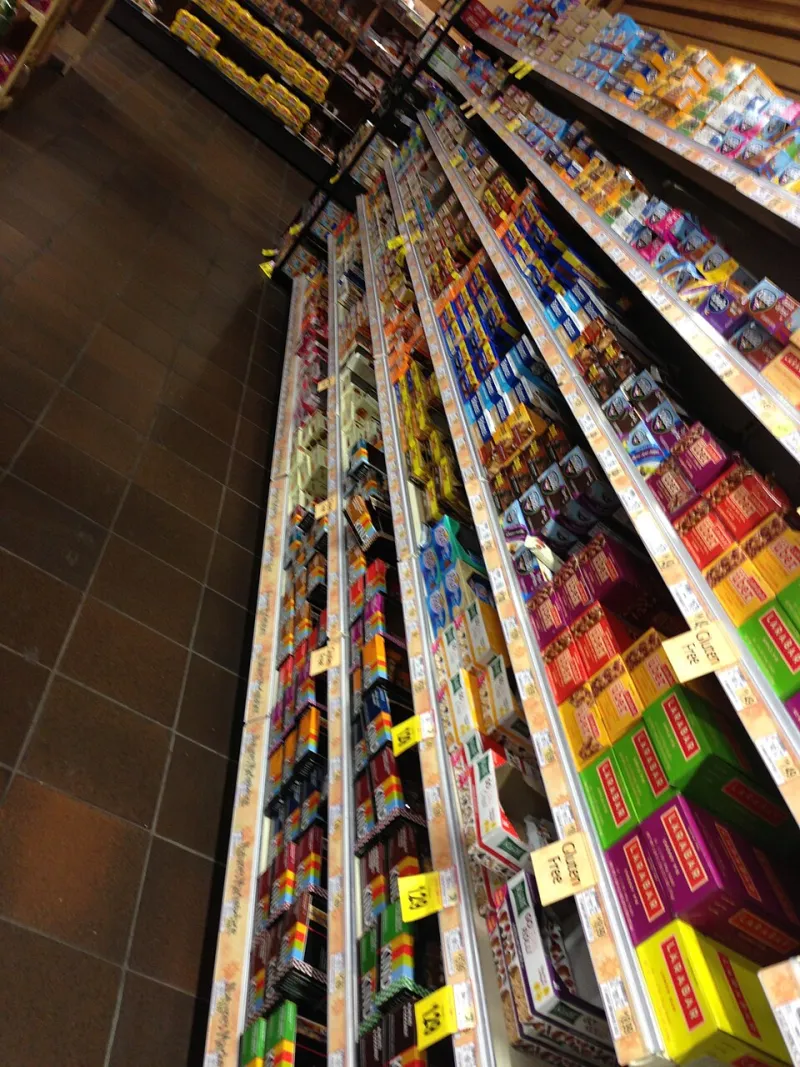
Photo: User:Philrj, CC BY-SA 3.0, via Wikimedia Commons
You're standing in the electronics aisle, phone in hand, trying to look up the price of the TV in front of you. You type in the model number, and... nothing. No results. Or worse, the only result is the exact store you're already standing in. Frustrating, right? That's not a coincidence — it's a strategy.
Retailers across the US have been quietly building a wall around their pricing by engineering store-specific product variants. It's one of the most effective (and least talked about) tactics in modern retail, and once you understand how it works, you'll never look at a "store exclusive" the same way again.
What a Store-Exclusive SKU Actually Means
SKU stands for Stock Keeping Unit — basically the unique identifier attached to every product a retailer sells. When a store works with a manufacturer to create a slightly modified version of a product, that product gets a brand-new SKU. Different SKU means no direct match in search engines, no price comparison on Google Shopping, and no easy way for you to know whether you're getting a fair deal.
Sometimes the change is genuinely meaningful — a bundle that includes extra accessories, a color only available at that store, or a higher storage tier. But a lot of the time? The difference is cosmetic at best. A slightly different model number. A renamed colorway. A tweaked accessory package that adds $20 worth of stuff to justify a $60 markup.
The result is the same either way: you can't easily comparison shop, and the retailer knows it.
The Retailers Playing This Game the Hardest
Almost every major US retailer does this to some degree, but a few have turned it into a full-blown science.
Best Buy is probably the most well-known offender in electronics. TV manufacturers like Samsung, LG, and Sony regularly produce Best Buy-specific models with slightly different model number suffixes. The internal specs are often identical or nearly identical to units sold at Costco or Walmart, but good luck proving that at the register.
Walmart and Target both lean heavily on exclusive product arrangements in categories like toys, home goods, and small appliances. A KitchenAid stand mixer "exclusive" at one store might differ from the version at another only in the color of a detail or the inclusion of a single attachment — but the price gap can be significant.
Mattress retailers have arguably perfected this game. Brands like Sealy, Serta, and Tempur-Pedic sell models with names that change depending on the retailer. The Sealy "Posturepedic Oakwood" might be functionally identical to the "Posturepedic Elmwood" at a competing store — same coil count, same foam layers — but comparing them online is basically impossible without a PhD in mattress specs.
Wholesale clubs like Costco and Sam's Club use this too, though often in the consumer's favor — they negotiate exclusive bundles that add real value. The difference is that their exclusives tend to be transparent about what you're getting.
Private Label vs. Exclusive Variant: Two Different Traps
It's worth separating two related but distinct tactics here.
Private label products are store-branded items (think Walmart's Great Value, Target's Good & Gather, or Amazon Basics) that are manufactured to the retailer's spec and sold only under their brand. These aren't inherently bad — in many categories, private label stuff is genuinely good value. But they make comparison shopping impossible by design, since there's no equivalent branded product to benchmark against.
Exclusive variants are different. These are name-brand products — things you recognize — that have been tweaked just enough to carry a unique model number. This is the sneakier tactic, because it borrows the credibility of a brand you trust while quietly removing your ability to verify the price is fair.
Both are legal. Both are common. And both require a different approach from shoppers.
How to Decode What You're Actually Looking At
Here's a practical approach for the next time you're staring down a product that seems weirdly difficult to look up:
Search the base model number, not the full SKU. Model numbers often have a suffix added for retailer exclusives (like "-BB" for Best Buy or "-WM" for Walmart). Strip the last two or three characters and search for what's left. You'll often find the "base" version sold elsewhere.
Use manufacturer websites directly. If you're buying a TV, appliance, or mattress, go to the brand's official site and look up the specs for the model in question. Compare those specs to other models in the same product line. Sometimes the differences are real. Often they're not.
Read the spec sheet, not just the marketing copy. Retailers love to dress up exclusive variants with upgraded-sounding names ("Premium," "Elite," "Select") that don't correspond to actual spec differences. Dig into the numbers.
Ask a sales associate directly. This sounds obvious, but asking "Is this model sold anywhere else?" or "What's the difference between this and the version at [competitor]?" sometimes produces surprisingly honest answers — especially from floor staff who don't have a personal stake in the markup.
Check Reddit and enthusiast forums. Communities dedicated to TVs (r/Televisions), mattresses (r/Mattress), and appliances regularly decode exclusive SKUs and match them to their base counterparts. It takes five minutes and can save you hundreds.
When Exclusives Are Actually Worth It
Fair is fair — not every store-exclusive product is a trap. Sometimes retailers negotiate genuinely better bundles, lower per-unit pricing that gets passed to the consumer, or legitimately unique features you won't find elsewhere. Costco's appliance bundles and Apple-exclusive configurations with more storage at the same price point are real examples of exclusives that benefit the buyer.
The question to ask isn't "Is this exclusive?" but rather "Can I verify what I'm getting and why it costs what it costs?" If the answer is yes, and the value checks out, buy it. If the answer is "I can't really tell," that's the retailer's strategy working exactly as intended.
The Bottom Line
Retailers spend serious resources making sure you can't easily compare their prices to the competition. Custom SKUs and exclusive product variants are among the most effective tools in that playbook. That doesn't make them evil — it makes them businesses. But it does mean the burden falls on you to do a little digging before you swipe your card.
The good news is that the tools to fight back are free, widely available, and take less time than you'd think. A quick spec comparison, a Reddit thread, or a stripped-down model number search can easily be the difference between a fair deal and an overpriced exclusive you didn't need in the first place.