Curated or Overpriced? How Big Retailers Turn Thrift Store Finds Into Full-Price Markups
There's a certain irony in paying $68 for a flannel shirt that spent its first decade in someone's garage. But that's exactly what's happening at a growing number of major retailers — and millions of shoppers are buying in, sometimes literally without realizing it.
The secondhand market in the US has exploded over the past decade. ThredUp's annual resale report has consistently pegged the resale industry as one of the fastest-growing segments in retail, projected to hit $70 billion by 2027. Brands have noticed. And rather than competing with thrift culture, they've absorbed it — then slapped a premium on top.
So what's actually going on here, and more importantly, how do you avoid paying the "curated" tax when you don't have to?
How Retailers Source and Sell Secondhand Goods
Let's start with the mechanics. Retailers like Urban Outfitters (through its Nuuly Thrift platform and in-store vintage sections), Anthropologie, and even some department store chains have built dedicated pipelines for sourcing used goods. Some buy in bulk from estate sales, liquidation auctions, and yes — thrift store chains themselves. Others partner directly with resale platforms or run their own trade-in programs.
Once those items land in the store or on a branded website, they go through what the industry calls "curation" — basically sorting, light cleaning, photography, and pricing. That process adds labor costs, sure. But the markup that follows often has less to do with actual cost and more to do with perceived value.
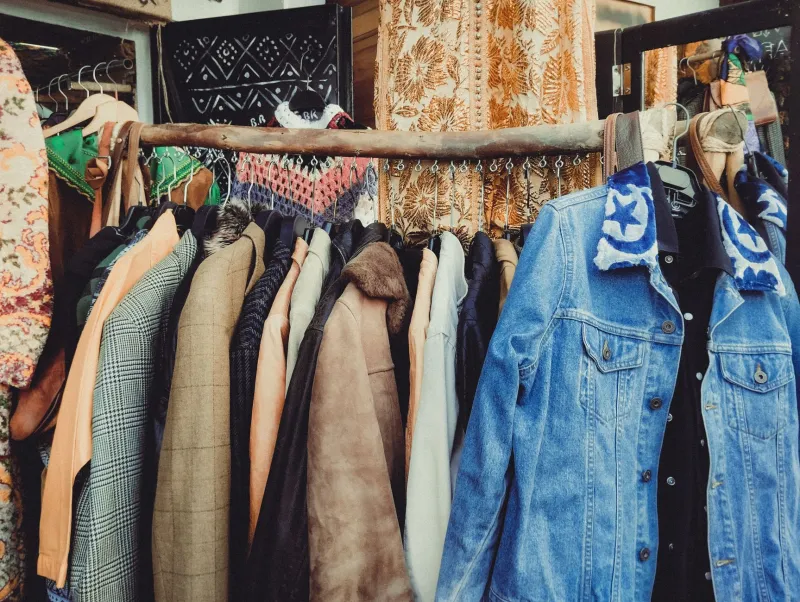
A worn Levi's trucker jacket that a Goodwill might price at $12–$18 can show up on a retailer's vintage rack at $55–$90. The jacket is the same. What changed is the context around it — the lighting, the brand association, the implication that someone with taste already vetted this for you.
That's the core of the curated secondhand model: you're not just paying for the item. You're paying for the decision that was made for you.
The Psychology of 'Curated' Pricing
Retailers are smart about this. Framing an item as "vintage" or "one-of-a-kind" triggers scarcity thinking. When shoppers believe they're looking at something irreplaceable, price sensitivity drops. This is why you'll see tags that say things like "vintage find" or "archive piece" rather than simply "used."
There's also a convenience premium baked in. Thrift shopping, for all its rewards, takes time. You have to dig. You might visit three Goodwills before finding what you want in your size. Curated secondhand retail removes that friction — and charges you for the removal.
For some shoppers, that trade-off genuinely makes sense. But for a lot of people, especially those who enjoy the hunt or just want to save money, that convenience fee is invisible until they start comparing prices.
Category-by-Category: Where the Gap Is Biggest
Not all secondhand categories are created equal when it comes to markup. Here's where you'll find the steepest differences between retail resale pricing and what you'd pay going direct:
Denim and Vintage Clothing This is ground zero for the markup game. Levi's, Wrangler, and vintage band tees are routinely priced at 3–5x thrift store rates at curated retailers. On Depop or Poshmark, you'll often find similar items at 1.5–2x thrift pricing — still a premium, but far more reasonable. If you're patient, apps like ThredUp's "Goody Boxes" or direct Goodwill searches (Goodwill's own online auction site, shopgoodwill.com, is worth bookmarking) can get you close to in-store thrift pricing without leaving your couch.
Furniture and Home Décor A mid-century modern side table that costs $40 at an estate sale or Habitat for Humanity ReStore can show up at a boutique resale shop for $180+. Facebook Marketplace and Craigslist remain the most underutilized tools for furniture — prices are often negotiable and you're buying directly from the seller.
Vinyl Records Record stores have long charged a premium for "curated" selections, and that's somewhat justified given the expertise involved. But for casual listeners, thrift stores still yield incredible finds for $1–$3 per record. eBay and Discogs are better options for specific titles; retail resale shops often charge collector prices for non-collector items.
Books This is where curated resale makes the least sense financially. ThriftBooks, AbeBooks, and your local library's used book sale will almost always undercut any boutique used bookstore by a significant margin.
Sneakers and Footwear This is one category where specialized platforms genuinely earn their premium. StockX, GOAT, and similar sneaker resellers provide authentication, which matters when you're spending $200+ on a shoe. For everyday vintage kicks, though, Poshmark and local thrift stores remain the better value.
How to Tell If a Resale Price Is Actually Worth It
Before you hand over your card, run a quick three-step check:
-
Search the item on Poshmark or Depop first. Type in the brand name, item type, and approximate size. You'll get a realistic market rate for what people are actually paying — not what a retailer wishes you'd pay.
-
Check eBay's sold listings. This is the gold standard for understanding real transaction prices. Filter by "sold" to see what items actually moved for, not just what sellers are asking.
-
Factor in your time honestly. If you'd spend two hours thrifting to save $30, that's $15/hour — worth it for some, not for others. There's no shame in paying a convenience premium if it genuinely fits your life. Just go in knowing that's what you're doing.
The Platforms Worth Knowing
If you're ready to cut out the middleman, here's a quick directory of where to look depending on what you're after:
- Goodwill (shopgoodwill.com): Best for clothing, housewares, and random finds. Auction format means prices vary wildly — you can score or overpay.
- ThredUp: Best for women's and kids' clothing. Heavily curated, but prices are generally fair and the search tools are solid.
- Poshmark: Best for name-brand clothing and accessories. Prices are seller-set, so negotiation is expected — always make an offer.
- Depop: Skews younger and trendier. Good for streetwear, vintage, and Y2K styles. Prices can be high but are often negotiable.
- Facebook Marketplace: Best for furniture, appliances, and local pickup items. No shipping hassle, and sellers are often motivated.
- eBay (sold listings): Best for electronics, collectibles, and anything with a clear market value. Use sold listings as your price anchor.
- Habitat for Humanity ReStore: Underrated for furniture and building materials. Prices are genuinely low and it supports a good cause.
The Bottom Line
There's nothing inherently wrong with buying secondhand goods from a major retailer — sometimes the convenience, the return policy, or the selection genuinely justifies the price. But you should be making that call consciously, not because a clever tag and good lighting convinced you that $75 is a fair price for a used corduroy blazer.
The secondhand market is one of the few shopping categories where doing a little homework pays off immediately and dramatically. The same item, the same quality, often the same condition — at a fraction of the price — is usually a few searches away. The retailers banking on curated resale are counting on you not to look.