Generic vs. Name Brand: The Category-by-Category Truth About Store Labels
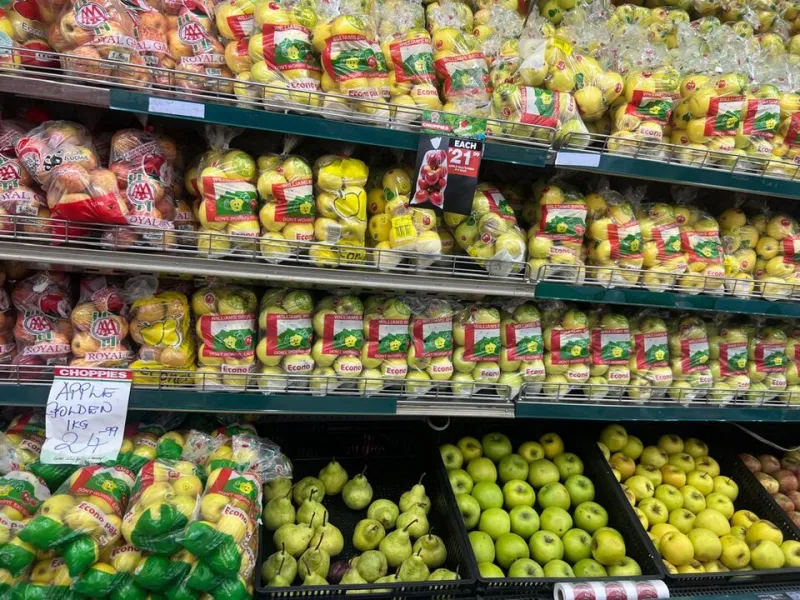
Photo: Olgatladi2020, CC BY-SA 4.0, via Wikimedia Commons
There's a quiet revolution happening on grocery store shelves, and most shoppers are only halfway paying attention to it. Store brands — also called private label products — have quietly upgraded their game over the past decade. In some cases, they're made in the exact same factories as the premium stuff sitting right next to them. In other cases, they're pale imitations that'll leave you frustrated and reaching for your receipt.
So how do you know which is which? That's exactly what we're breaking down here, category by category.
Grocery Staples: Often a Slam Dunk for Store Brands
Let's start where the evidence is strongest. In the grocery aisle, private label products have made enormous strides — and in several subcategories, they're genuinely hard to tell apart from the national brands.
Pantry basics like flour, sugar, salt, canned tomatoes, dried pasta, and cooking oils are almost universally safe to go generic. These are commodity products with tight regulatory standards. The store brand all-purpose flour from Kroger, Aldi, or Walmart's Great Value line is the same stuff, full stop. You're paying for the King Arthur logo, not a meaningfully different product.
Dairy and eggs follow a similar pattern. Milk is milk. Butter is largely interchangeable. Store brand shredded cheese? Usually identical to the bagged national brand — and sometimes it's literally packaged by the same dairy.
Where grocery store brands start to slip is in flavor-dependent products: condiments, snack foods, sodas, and specialty sauces. These are heavily formulated, and the proprietary recipes matter. If you're a die-hard Heinz ketchup person, the store brand version probably isn't going to scratch that itch. Same with things like Oreos — plenty of store brand sandwich cookies exist, but they don't taste the same, and that's intentional.
Pro tip: Look at the ingredient list side by side. If the first five ingredients are identical and in the same order, the products are almost certainly made with the same formulation.
Household Goods: Read the Label Before You Decide
Cleaning products are a mixed bag — and that's putting it charitably.
Basic cleaning solutions like bleach, rubbing alcohol, and generic dish soap are almost always fine to buy store brand. The active ingredients are standardized, and you're not getting anything extra from the Lysol label on a bottle of disinfectant that's 99.9% the same formula.
However, laundry detergent is where store brands often underperform in real-world use. The concentration levels, enzyme blends, and surfactant ratios vary considerably, and you may find yourself using more product per load to get the same results — which erodes the price advantage quickly. Consumer testing has repeatedly shown that store brand detergents can leave behind more residue and perform worse on tough stains.
Paper products — toilet paper, paper towels, tissues — are another category where the quality gap is real and noticeable. National brands like Charmin and Bounty genuinely do invest in texture and absorbency engineering. That said, if you're buying for a high-traffic household bathroom, the cost savings on store brand TP can still make sense even if the experience isn't quite as plush.
Electronics and Tech Accessories: Be Careful Here
This is where the store brand conversation gets genuinely risky.
For cables, charging bricks, and basic accessories, the rules have shifted. Off-brand USB-C cables from Amazon Basics or Belkin's more affordable lines are often perfectly reliable. But truly no-name private label electronics — especially anything involving power delivery or battery storage — can be a safety concern. Cheap knockoff chargers have caused fires. That's not hyperbole.
For in-store branded electronics like TVs or tablets sold under a retailer's house label (think Insignia at Best Buy or ONN at Walmart), you're generally getting budget-tier components at budget-tier prices. They're not dangerous, but they're also not built to last. If longevity matters to you, stick with established brands in electronics.
Where store brand actually wins in this category: batteries. Costco's Kirkland batteries have been independently tested and perform on par with Duracell and Energizer at a fraction of the cost.
Apparel: The Fit and Feel Gap Is Real
Clothing is where private label gets complicated, because "quality" is subjective and highly use-case dependent.
Target's in-house brands like All in Motion and A New Day have genuinely impressed shoppers and reviewers for their price-to-quality ratio in casual wear. Amazon Essentials gets mixed reviews — the basics are fine, but sizing inconsistency is a known issue. Costco's Kirkland clothing line has its fans, especially for basics like socks and undershirts.
But for workwear, performance gear, or anything you're expecting to hold up through years of heavy use, national brands typically do maintain an edge. The difference between a $25 store brand hiking sock and a $20 Darn Tough sock isn't just price — it's construction, material sourcing, and often a lifetime warranty.
The insider move: Check the fabric composition label. A store brand item made with the same material percentages as a premium brand is probably worth the gamble. If the store brand version uses noticeably cheaper fabric blends (more polyester, less cotton or merino), that's a red flag.
When You Should Never Compromise
Some categories are worth paying name-brand prices every single time:
- Medications and supplements: Active ingredient concentrations and quality control matter. Stick with reputable brands or generics from established pharmaceutical manufacturers — not unverified store supplements.
- Infant formula: Heavily regulated, but brand consistency and recall history matter. Don't experiment here.
- Smoke and carbon monoxide detectors: Not the place to save $8.
- High-use footwear: Cheap shoes lead to real physical problems over time.
The Bottom Line
Store brands aren't automatically inferior — and they're not automatically a bargain either. The smartest shoppers treat each category differently. For pantry staples, cleaning basics, and household commodities, going generic is almost always the right call. For electronics, performance gear, and anything safety-adjacent, the name on the label still carries real meaning.
The best strategy? Buy the store brand once, compare it honestly to what you were using before, and let your own experience be the guide. You might be surprised how often the generic version earns a permanent spot in your cart.