Stop Defaulting to Amazon: The Store-by-Store Breakdown of Where You'll Actually Pay Less

Photo: woman comparing prices on laptop and phone while shopping online, via cdn.pixabay.com
Let's be honest — opening Amazon is practically muscle memory at this point. You need something, you type it in, you click buy. Done. But here's the thing: that convenience comes at a cost, and it's not always the lowest price on the internet. In fact, depending on what you're buying, you could be leaving serious money on the table every single time you default to the big A.
We dug into the data and the shopping patterns of real deal-hunters to put together this category-by-category breakdown of where to actually spend less. Spoiler: the savings are real, and the alternatives are easier to use than you might think.
Electronics: Specialized Retailers Still Have the Edge
Amazon sells a staggering amount of electronics, but it's not always the best deal — especially on big-ticket items. B&H Photo is a go-to for cameras, audio equipment, and professional tech gear, often beating Amazon by 5–15% on the same items. No sales tax in most states is a bonus that adds up fast on a $1,200 camera body.
Newegg remains the king for PC components, GPUs, and computer peripherals. Their Flash Deals and combo bundles routinely undercut Amazon's pricing, and their product filters are way more useful for tech-savvy shoppers.
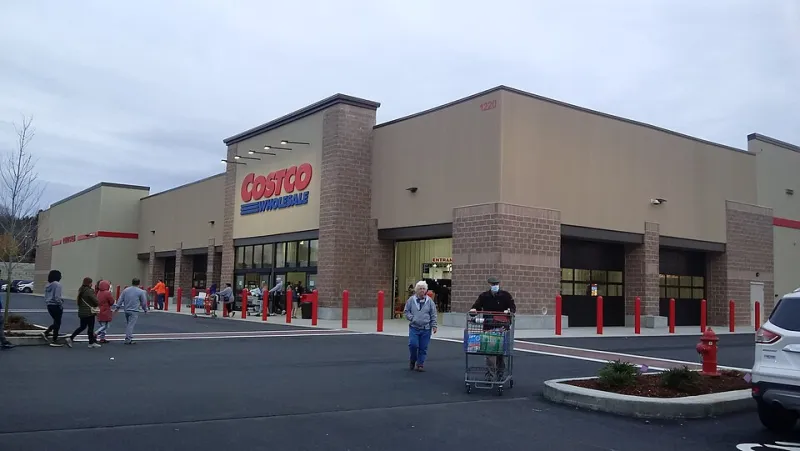
For TVs and appliances, don't sleep on Costco and Sam's Club. Their member pricing on large-screen TVs frequently beats Amazon's "deal" pricing, and their return policies on electronics are genuinely some of the most consumer-friendly in the business.
Pro tip: Always check CamelCamelCamel before buying electronics on Amazon — it tracks price history so you can tell whether a "sale" is actually a sale.
Clothing and Apparel: Direct-to-Consumer Brands Win Big
Amazon's clothing selection is enormous, but quality control is inconsistent and the pricing is rarely the best you'll find. For basics and everyday wear, Uniqlo offers comparable (often better) quality to Amazon's mid-tier clothing at similar or lower prices — and you actually know what you're getting.
For activewear, Athleta, Old Navy, and even Target's All in Motion line regularly outprice Amazon on comparable gear, especially during seasonal sales. ASOS and Zappos dominate for shoes and trend-forward styles, with free shipping and returns that make the comparison even easier.
If you're brand-loyal to specific labels like Levi's, Nike, or Carhartt, buying directly from the brand's own website — especially during their own sales — almost always beats Amazon's third-party seller pricing. Brand sites also tend to have better size availability and return processes.
Groceries and Pantry Staples: Local Beats the Algorithm
This one surprises a lot of people. Amazon (via Whole Foods and Amazon Fresh) is not a grocery bargain destination. For everyday staples, Walmart Grocery and Kroger (or your regional equivalent — Publix, HEB, Meijer) consistently offer lower prices on name-brand items. Walmart's price-match guarantee and rollback deals make it especially competitive.
Aldi and Lidl are in a category of their own when it comes to grocery value. Their store-brand products routinely beat anything Amazon sells by a wide margin — and the quality has improved dramatically over the years.
For bulk pantry goods like coffee, olive oil, nuts, and canned goods, Costco's Kirkland brand is a perennial winner. When you break it down by unit price, it's not even close.
Home Goods and Furniture: Niche Retailers Dominate
Amazon's home goods section is a mixed bag of brand-name items and questionable no-name alternatives. For furniture, Wayfair and IKEA offer more curated selections with clearer quality tiers. Wayfair's frequent sitewide sales — especially around holidays — can get you 30–40% off items that Amazon lists at full price.
HomeGoods and TJ Maxx (both in-store and online) are treasure troves for discounted name-brand home décor, kitchenware, and bedding. The inventory rotates constantly, which means you need to check back often, but the markdowns on brands like Le Creuset, KitchenAid, and Calphalon are hard to beat.
For bedding specifically, Brooklinen, Parachute, and Casper all run regular sales that rival or undercut Amazon's pricing on comparable quality sheets and pillows — and you're not gambling on a mystery brand.
Toys and Baby Gear: Timing Is Everything
Target is consistently competitive with Amazon on toys, particularly during its Target Circle sale events and holiday promotions. Their price-match policy also means if you see a lower price at a competitor, they'll honor it — including Amazon.
For baby gear, Buy Buy Baby (now partly relaunched) and Carter's both run loyalty programs that make their prices more competitive than Amazon once you factor in the rewards. Specialty items from brands like UPPAbaby or Graco are often better priced at authorized retailers, which also protects your warranty.
The Bottom Line: One Retailer Doesn't Rule Them All
The most cost-effective shopping strategy in 2024 isn't loyalty to any single retailer — it's knowing which store owns each category. Amazon's real advantage is speed and selection, not necessarily price. Once you start treating it as one option among many rather than the default answer, the savings stack up faster than you'd expect.
Bookmark a few of the category leaders above, download a browser extension like Honey or Capital One Shopping to autocompare prices in real time, and get comfortable checking two or three sources before you click buy. Your wallet will notice the difference.