How Retailers Decide What Goes on Clearance (And How You Can Figure It Out Before They Mark It Down)

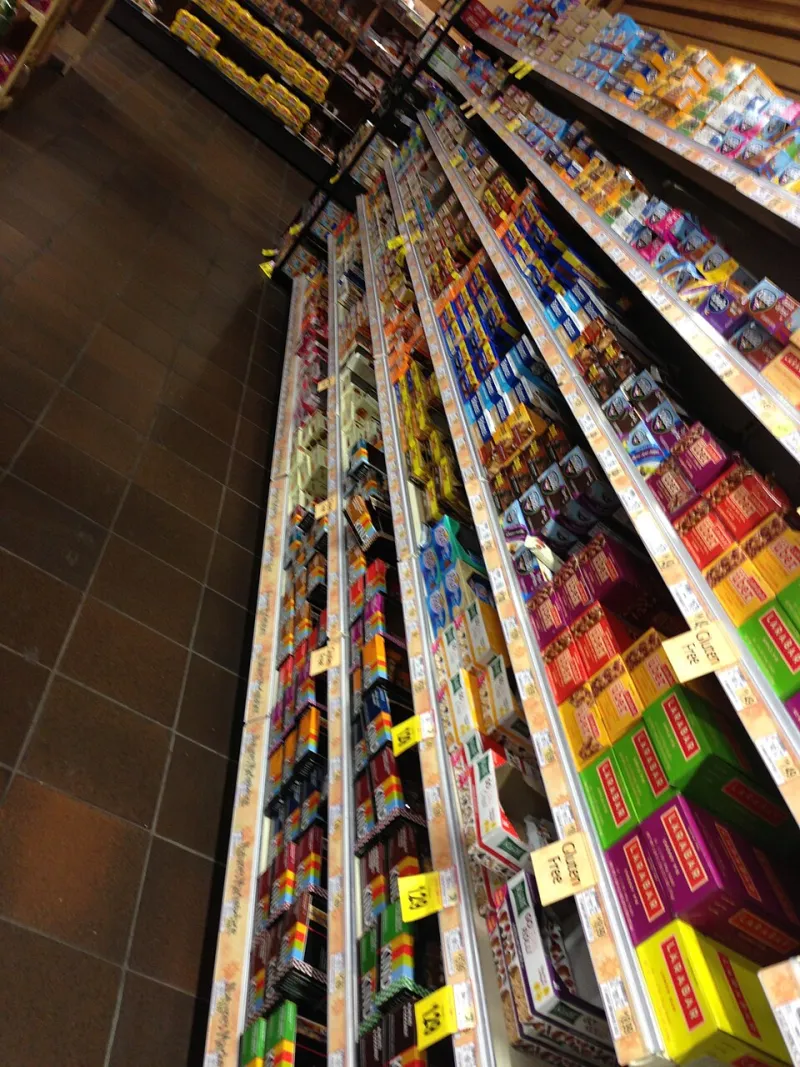
Photo: Tzim78, CC BY 4.0, via Wikimedia Commons
Walk into any big box store and the clearance section can feel like a mystery. Why is that perfectly good blender sitting at 60% off while the nearly identical model two feet away is still full price? Why do some seasonal items disappear from shelves in October while others linger until February with barely a dollar knocked off?
Here's the thing: none of it is random. Retailers run their clearance decisions through a pretty deliberate playbook—one that's driven by inventory data, profit margin goals, and a fair amount of consumer psychology. Once you understand how that playbook works, you can start predicting which sections of the store are worth your time and which "deals" are basically staged.
The Core Reason Anything Gets Clearanced in the First Place
Before getting into the patterns, it helps to understand the fundamental motivation. Retailers have a concept called "inventory turn"—how quickly products move off shelves and get replaced by new stock. Dead inventory is expensive. It ties up floor space, warehouse capacity, and capital that could be used to bring in something that actually sells.
So when a product stops moving at its regular price, the math shifts. A 40% margin on an item that sells is worth more than a 70% margin on an item that sits. Clearance is essentially a retailer admitting, "We priced this wrong, bought too much, or the market moved on us."
That's your first insight: clearance isn't charity. It's damage control.
Seasonal Items Follow a Clock You Can Set Your Watch To
The most predictable clearance category is seasonal merchandise. Retailers stock for a season, and whatever doesn't sell before that season ends becomes a liability.
Here's roughly how the timeline plays out at most major US retailers:
- Holiday/Christmas décor starts hitting clearance on December 26th, sometimes even Christmas Eve at some chains. By January 2nd, you're often looking at 50–70% off.
- Summer outdoor furniture and grills begin their markdown cycle in late August at stores like Lowe's, Home Depot, and Target—even though it's still warm in most of the country.
- Back-to-school supplies at retailers like Walmart and Staples start clearing out in mid-to-late September, regardless of whether kids are still in school.
- Winter apparel at department stores typically starts moving to clearance racks in January, with the deepest cuts hitting in February.
The trick here is patience versus timing. If you need a specific item for actual use during the season, waiting for clearance means you might miss it entirely. But if you're stocking up for next year—holiday decorations, pool toys, winter coats for next winter—buying at the tail end of a season is one of the most reliable deals in retail.
Overstock Situations: Reading the Signals Before the Sticker Goes On
Overstock clearance is a little less predictable than seasonal, but there are signals you can watch for.
When a retailer over-orders a product, you'll often see the first signs before any price change happens: the item starts showing up in multiple locations throughout the store (endcaps, floor displays, extra shelf facings). Retailers do this to push visibility and move units before resorting to a markdown. If you see a product getting unusually prominent placement, that's sometimes a sign it isn't selling as well as expected—and a discount may be coming.
Other signals include:
- Product page changes online: If an item's listing gets updated with a "clearance" tag or the item suddenly becomes available for in-store pickup at locations where it previously wasn't, inventory is being redistributed for liquidation.
- Color/size gaps on shelves: When a product is being phased out, retailers often stop restocking certain variants. If you notice a shoe in only two sizes or a kitchen appliance only available in one color, the writing's usually on the wall.
- New model announcements: This one is huge. If a brand announces a new version of a product—a new TV model, an updated coffee maker, a refreshed laptop line—the previous generation almost always starts moving toward clearance within weeks.
The Loss Leader Trap (And Why Some Things Never Go on Sale)
Not everything is a candidate for the clearance bin. Retailers actively protect certain categories because discounting them would hurt overall margin strategy.
High-demand consumables—think cleaning supplies, paper goods, and basic pantry staples—rarely see genuine clearance pricing because demand is too consistent to justify a markdown. These items don't go stale in the same way seasonal merchandise does.
Luxury and premium goods are also often protected. A retailer like Nordstrom or Apple isn't going to slash prices on flagship products because it would undermine the brand's perceived value. When you do see Apple products discounted, it's almost always an older model making room for something new—never the current lineup.
Then there are loss leaders: products a store sells at or near cost specifically to get you in the door. These aren't clearance items—they're strategic. Grocery stores run milk and eggs cheap. Electronics retailers discount popular video game consoles. The goal is foot traffic and cart-building. Don't confuse these with genuine deals on items that were overpriced to begin with.
How to Build Your Own Predictive Framework
You don't need to be a retail analyst to start anticipating deals. Here's a simple approach:
1. Track category cycles. Make a mental (or literal) note of when your go-to stores typically rotate seasonal inventory. A few years of observation and you'll start to see patterns that are remarkably consistent year over year.
2. Follow product release calendars. For electronics and appliances, staying loosely tuned to manufacturer announcements tells you when to expect predecessor models to start clearing out. Sites like The Verge or CNET cover product launch cycles regularly.
3. Check store apps for price history. Apps like Camelcamelcamel (for Amazon), Honey, or even just a store's own price history feature can show you whether a "clearance" price is actually lower than the item's historical average—or just a reframing of a price that was already inflated.
4. Visit clearance sections mid-week. Most restocking and markdown updates happen over the weekend, but mid-week visits—Tuesday and Wednesday especially—tend to catch newly marked-down items before other shoppers have picked through them.
5. Ask a store associate. This one gets overlooked constantly. Employees often know which departments are overstocked or which items are getting discontinued before the sticker goes on. A friendly question at the right moment can save you weeks of waiting.
The Bottom Line
Clearance sections aren't a random dump of unwanted stuff—they're a window into how a retailer is managing its inventory, planning for new product cycles, and trying to protect its margins. Once you start seeing the clearance aisle as a data source rather than a bargain bin, you'll shop it completely differently.
The best deals aren't always the ones with the biggest red stickers. They're the ones you saw coming.