Same Price, Less Product: How to Catch Shrinkflation Before It Drains Your Grocery Budget
You grab your usual tub of peanut butter off the shelf, toss it in the cart, and move on. Same brand, same packaging, same price. But here's the thing — it's not the same product. Somewhere between last year and this one, the manufacturer quietly shaved off a few ounces and hoped you wouldn't notice. You probably didn't. That's exactly the point.
This practice has a name: shrinkflation. And while it's not new, it's been showing up more aggressively in recent years as companies look for ways to protect their profit margins without triggering the kind of sticker shock that sends shoppers scrambling to the competition. The result? You're spending the same — or more — while getting measurably less. Let's break down how it works, where it hits hardest, and what you can actually do about it.
What Shrinkflation Actually Looks Like in the Wild
Shrinkflation isn't always about a smaller box. Sometimes it's a wider cardboard tube with a hollowed-out center. Sometimes it's a chip bag that's 30% air by design. Other times it's a bottle of laundry detergent that now claims to do 64 loads instead of 80 — same price, same bottle, just a more "concentrated" formula that somehow never quite stretches as far as advertised.
Manufacturers have gotten creative. Packaging stays visually similar. The logo, colors, and shelf placement don't change. The price tag stays put. The only thing that shifts is the net weight or count listed in small print on the side or bottom of the package — the part almost nobody reads.
Retailers aren't always innocent bystanders here, either. Store-brand products go through the same downsizing cycles. A 16-pack of paper towels becomes a 12-pack with a "great value" sticker slapped on the front.
Which Product Categories Get Hit the Hardest
Not every category is equally vulnerable. Some products are easier to downsize quietly than others. Here's where shrinkflation tends to strike most often:
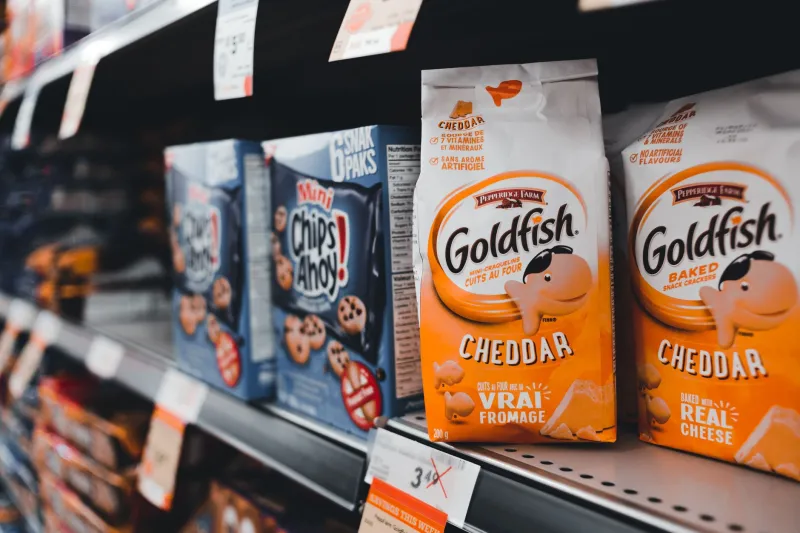
Packaged snacks and cereals — Chips, crackers, granola bars, and breakfast cereals are classic targets. The bags and boxes stay big; the contents shrink. Nitrogen fill in chip bags makes it easy to hide the difference.
Canned and jarred goods — A standard can of tuna was 6 oz for decades. Many brands now sell 5 oz cans in the same style packaging. Pasta sauce jars, canned vegetables, and soups have all seen similar reductions.
Household cleaning products — Detergent, dish soap, and multi-surface sprays are frequently reformulated or repackaged at lower volumes. "Ultra-concentrated" labeling is often a shrinkflation signal.
Personal care and drugstore staples — Shampoo, conditioner, body wash, and toothpaste are common culprits. A 12 oz bottle quietly becomes 10.2 oz. Deodorant sticks lose a quarter-ounce. Toilet paper rolls get narrower or shorter.
Frozen foods — Family-size frozen meal packages that used to feed four now comfortably feed three. The serving size on the nutrition label adjusts accordingly so the calorie count per serving looks the same.
Coffee and beverages — The classic move here is the coffee "pound" that became 12 oz years ago and has since crept down to 10 or 11 oz in some brands.
How to Calculate Cost-Per-Unit (And Why You Should)
The single most powerful tool against shrinkflation is simple math: cost per unit, whether that unit is an ounce, a sheet, a count, or a load. Most grocery stores actually display this on the shelf tag — look for the small price-per-ounce or price-per-count number, usually in the upper left corner of the tag.
If your store doesn't display it clearly, pull out your phone and do it yourself:
Unit price = Total price ÷ Net weight or count
So if that 15 oz jar of salsa costs $3.49 and the 24 oz jar of a competing brand costs $4.99, you're looking at $0.23/oz vs. $0.21/oz. The bigger jar wins — but only if you'll actually use it before it goes bad.
Make it a habit to check this number before you assume your usual brand is still your best deal. Prices shift. Package sizes shift. The math doesn't lie.
Spotting the Switch Before It Happens
Shrinkflation tends to happen quietly, but there are a few signals worth watching for:
- Packaging redesign — A brand refresh is often cover for a size reduction. New logo, new look, slightly smaller product.
- "New and improved" labeling — This phrase sometimes signals a formula change that also happens to reduce the volume.
- Lighter packaging in your hand — Trust your instincts. If something feels lighter than it used to, it probably is.
- Sudden changes to serving size on nutrition labels — If the serving size went from ½ cup to ⅓ cup but the package looks the same, the total amount inside may have decreased.
- Online reviews mentioning size changes — Loyal customers notice, and they talk. A quick product search often surfaces comments about recent downsizing.
Practical Strategies to Shop Around It
Knowing about shrinkflation is half the battle. Here's how to actually fight back without overhauling your entire shopping routine:
Compare unit prices across brands and sizes every few months. Don't assume your go-to brand is still the best value just because it used to be. A quick check takes ten seconds.
Give store brands a fresh look. When a name brand shrinks its product, the store brand often maintains the original size for a while longer — or at least offers better unit pricing. It's worth comparing.
Buy from warehouse clubs strategically. Costco and Sam's Club typically offer better per-unit pricing and are slower to downsize because their bulk packaging is already a selling point. For non-perishable staples, this can be a consistent win.
Use apps that track price history. Tools like Flipp, Basket, and even some grocery store apps let you compare prices across stores. While they don't always flag unit size changes, cross-store comparison at least keeps you honest about where your dollar goes furthest.
Keep a loose mental inventory of package sizes you trust. You don't need a spreadsheet. Just notice when something feels off — lighter, emptier, fewer sheets on the roll. That gut check is often right.
Don't get too brand-loyal. Shrinkflation thrives on habit. The more committed you are to a specific brand, the easier it is for manufacturers to quietly downsize without losing you. Staying flexible is genuinely protective here.
The Bottom Line
Shrinkflation is legal, widespread, and deliberately low-key. Companies bank on the fact that most shoppers are moving fast, trusting familiar packaging, and not doing the math. But once you know how the game works, it loses a lot of its power.
You don't have to become obsessive about it — just aware. Check the unit price. Notice when something feels lighter. Be willing to switch brands when the numbers stop making sense. Over the course of a year, those small adjustments add up to real money back in your pocket — which is exactly what General Shopping Directory is here to help you hold onto.