Why Grocery Stores Keep Moving Everything Around (And How to Shop Them Without Losing Your Mind)
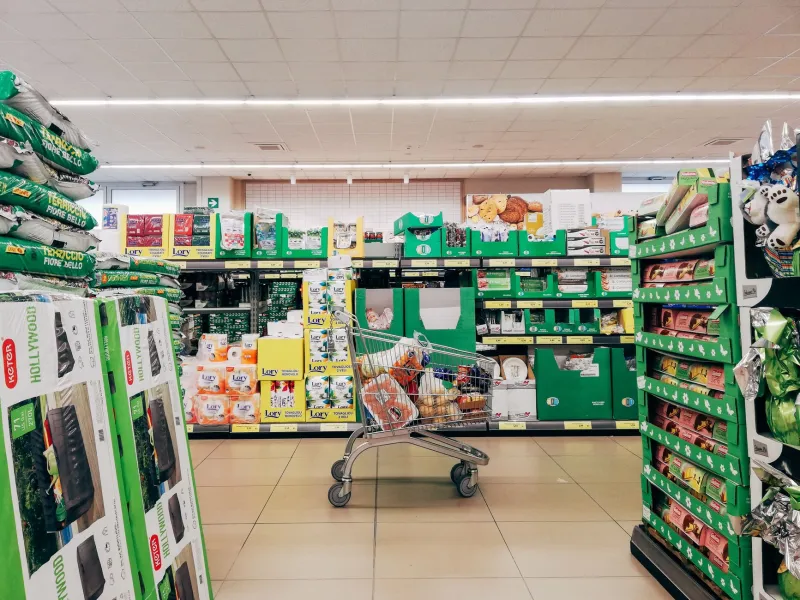
You walked in for milk, eggs, and maybe a box of pasta. Forty minutes later you're at the register with a cart full of stuff you didn't plan on buying and a vague memory of wandering past the same display of fancy olive oil three separate times. Sound familiar?
This isn't a coincidence, and it's definitely not bad luck. The modern retail store — whether it's a big-box grocery chain, a Target, or a Walmart Supercenter — is a carefully engineered environment designed to do one thing above all else: keep you moving through as many aisles as possible for as long as possible. The longer you're in the store, the more you spend. Full stop.
Understanding how this works is the first step to actually shopping on your own terms.
The Perimeter Loop Isn't There for Your Convenience
Walk into almost any large grocery store in America and you'll notice a familiar pattern: fresh produce is near the entrance, the deli and bakery hug one side wall, dairy is buried in the back corner, and meat runs along the far edge. This layout is called the perimeter loop, and it exists because the stuff you actually need — the staples that bring you into the store — is placed as far apart from each other as possible.
To get from the bananas to the butter, you have to walk through or past a significant chunk of the store. That journey is deliberate. Every step you take past an end cap display or a promotional island is another opportunity for something to catch your eye. Retailers call this "dwell time," and maximizing it is a core part of store design strategy.
The fix? Resist the urge to do a full perimeter sweep before heading to the center aisles. Map out your list by store section before you go, and move with purpose rather than drifting.
Dead Ends Are a Feature, Not a Bug
If you've ever turned down an aisle and realized it's a dead end — forcing you to backtrack — that wasn't a design oversight. Retail architects use partial aisles and deliberate dead ends to slow shoppers down and expose them to more product. The idea is simple: if you have to turn around, you'll scan the shelves twice.
Some stores also use what's called a "decompression zone" near the entrance — an open, visually appealing area that slows your pace right as you walk in. You're subconsciously shifting from "I'm on a mission" mode to "let me look around" mode before you've even grabbed a basket.
Being aware of these zones helps. When you catch yourself slowing down or drifting, ask: did I plan to stop here, or did the store just make me?
Why Produce Is Almost Always Up Front
There's a reason the fresh fruits and vegetables greet you at the entrance of most American supermarkets. It's not because they're easy to stock there or because it's the most logical flow. It's psychology.
Starting your shopping trip with healthy, colorful, "virtuous" items makes you feel good about your choices early on. That positive feeling — researchers have actually studied this — makes shoppers more likely to reward themselves later in the trip with indulgent or impulse items. You earned that bag of chips because you already put kale in the cart.
Knowing this doesn't mean you have to skip the produce section. It just means you should be conscious of the mental accounting happening in your head as you shop.
The Shelf Placement Hierarchy You're Probably Ignoring
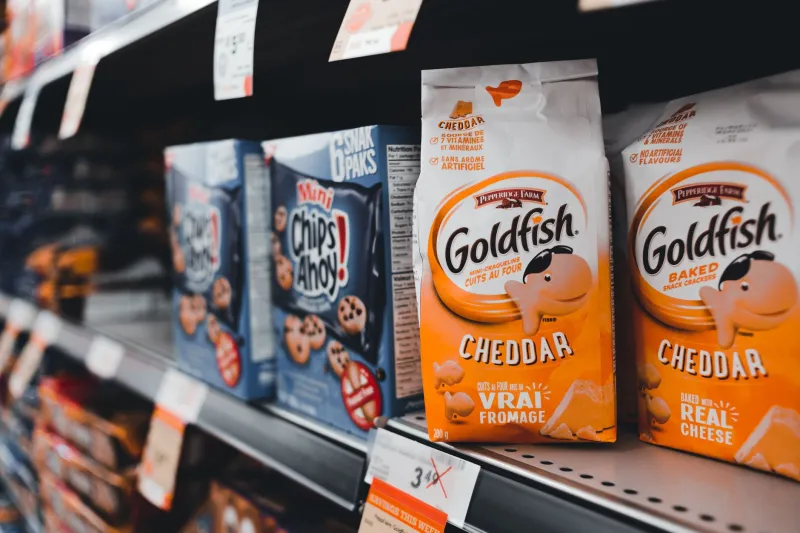
Products at eye level on a grocery shelf aren't there by accident — they paid for that real estate. Brands fork over slotting fees to retailers for premium shelf positions, and the most profitable items for the store (not necessarily the best deal for you) tend to land right in your line of sight.
Budget-friendly options and store-brand alternatives are almost always on the lower shelves, sometimes close to the floor. Premium or specialty items often get the top shelf. The middle? That's prime territory for whatever the store is actively pushing.
Get in the habit of scanning the full shelf height before grabbing the first thing you see. The item at knee level might be 30% cheaper and functionally identical.
Seasonal Resets: Why Your Store Feels Different Every Few Months
Here's the one that really gets people: major retailers — not just grocery stores, but places like Target, Kohl's, and Home Depot — do what's called a "planogram reset" on a regular cycle. This means they physically move product categories, shift entire aisles, and reorganize sections, sometimes seasonally, sometimes quarterly.
The stated reason is to refresh the shopping experience and feature seasonal merchandise. The real reason? Familiar layouts let shoppers go on autopilot, grabbing only what they came for. Reorganizing forces everyone to slow down and explore again, which drives up unplanned purchases.
If you've walked into a store and thought "wait, didn't this used to be somewhere else?" — yes, it did, and you were supposed to notice.
How to Actually Stick to Your List
None of this means you have to be miserable or militant about shopping. But a few practical habits can make a real difference:
Write your list by section. Before you head out, group items by store zone — produce, dairy, frozen, dry goods. This keeps you from crisscrossing the store repeatedly, which is exactly what the layout is designed to make you do.
Set a time limit. Sounds weird, but giving yourself a mental (or actual) deadline cuts down on aimless wandering. Shoppers who spend more time in stores consistently spend more money.
Use the store's app or website ahead of time. Many major chains — Kroger, Publix, Walmart, Target — let you browse their circular and even organize your shopping list by aisle. Use it. You'll walk in with a plan instead of improvising.
Avoid shopping hungry. This one's practically a cliché at this point, but it's backed by real data. Hunger amplifies impulse buying across all categories, not just food.
Give yourself an end-cap budget of zero. Those flashy displays at the end of every aisle are almost never the best deal in the store. They look like promotions, but they're often regular-priced items with better staging. Walk past them unless it's something you specifically needed.
The Bigger Picture
Stores are really good at what they do. They've spent decades and millions of dollars studying how people move, what catches their attention, and what makes them reach for something they didn't plan on buying. There's no shame in getting caught by these tactics — everyone does, at least sometimes.
But the more you understand the architecture of a retail space, the more agency you have inside it. You're not just a shopper navigating a store — you're someone moving through a system that was built specifically to influence your behavior. Knowing that changes how you walk through the door.
Next time you find yourself reaching for something on impulse, just pause for two seconds and ask: did I come in here for this, or did the store just put it exactly where I'd find it? That two-second check is often all it takes to put it back.