The Disappearing Product Mystery: Why Retailers Pull the Plug on Things You Love — and Where to Hunt Them Down
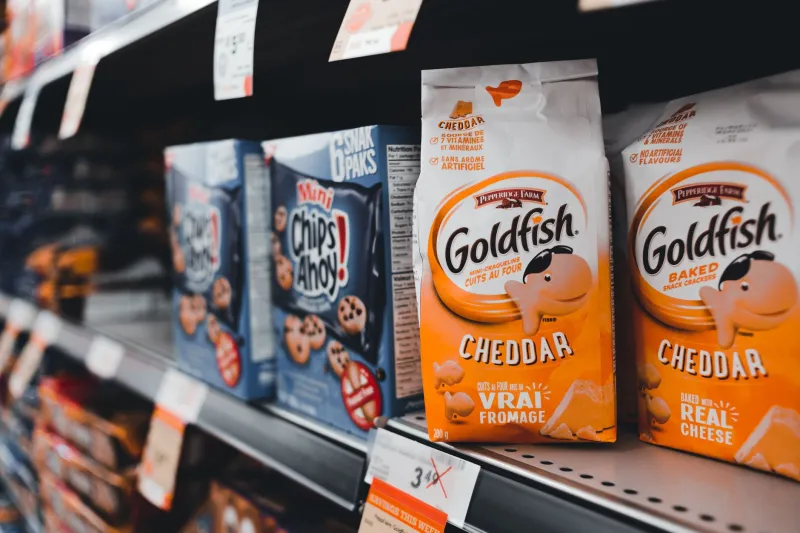
You reach for your usual spot on the shelf and find a stranger staring back at you. Different brand, different packaging, different everything. Your product — the one you've been buying for three years without a second thought — is gone. No warning, no announcement, no goodbye.
It happens constantly, across every retail category imaginable. And the reasons behind it are a lot more complicated than "it just didn't sell well enough." Understanding why stores kill products you love is the first step toward finding them again — or at least knowing what you're actually up against.
The Real Reasons Products Get Cut
Let's start by busting the most common assumption: discontinuation doesn't always mean a product failed. Sometimes it means the exact opposite.
Shelf space is a battlefield. Retail floor space — whether physical or digital — is a finite, highly competitive resource. When a new product line launches or a supplier pays for premium placement, something else has to move. Stores negotiate these arrangements constantly, and a perfectly good product can get bumped simply because a bigger brand cut a better deal.
Supplier relationships break down. If a manufacturer raises prices, misses shipment windows, or gets bought out by a competitor, a retailer may quietly pull the item rather than deal with the headache. From a shopper's perspective, the product just disappears. Behind the scenes, it's a contract dispute.
Planned product cycling is a real strategy. Some brands — especially in tech, beauty, and apparel — deliberately retire products to push customers toward newer, pricier versions. It's not always about quality improvement. Sometimes it's just about resetting the price anchor and getting you to spend more for something that does roughly the same thing.
Low velocity, high complexity. Products that sell at a moderate but not spectacular pace can get cut if they create inventory or logistics headaches disproportionate to their revenue. A niche hot sauce that requires refrigerated shipping, for example, might get axed even with a loyal following.
Private label pressure. If a store is building out its own brand in a category, it has a financial incentive to reduce competition on the shelf — including killing off third-party products that are performing just fine. You've probably noticed this if you shop at Trader Joe's, Target, or Costco.
The Categories With the Highest Churn
Not all product categories are equally stable. If you're attached to something in one of these areas, it's worth stocking up or finding a backup sooner rather than later.
- Beauty and personal care — Formulas get "updated" constantly, and entire SKUs vanish when brands repackage or reposition. Fragrance especially is notorious for quiet discontinuations.
- Packaged food and beverages — Grocery stores rotate seasonal and regional items aggressively. Limited-edition products almost never come back, and even staples get cut when margins tighten.
- Consumer electronics and accessories — Cables, chargers, and peripherals for older devices disappear fast as manufacturers push toward new standards.
- Home and kitchen gadgets — Specialty appliances from mid-tier brands have short shelf lives, especially if they're sold through a single major retailer.
- Apparel basics — Even "core" items like a specific fit of jeans or a particular cut of t-shirt get quietly retired between seasons.
How to Track Down a Discontinued Product
Okay, so your product is gone. Here's how to actually find it.
Start with the manufacturer's website. Retailers discontinue items, but the brand itself may still sell directly. Check the brand's own site before assuming the product is dead entirely. Many brands have a direct-to-consumer store that stocks items no longer available through big-box retailers.
Search Amazon's third-party marketplace. Even when Amazon's own inventory runs dry, third-party sellers often have stock. Use the exact product name and model number, and check the "Other Sellers" section on the product page. Prices may be higher, but availability is often there.
Try eBay, Poshmark, and Mercari. These platforms are goldmines for discontinued goods — especially in beauty, food (sealed/unexpired), and collectibles. Set up saved searches so you're notified when new listings pop up.
Use Google Shopping with date filters. Search the product name and switch to Google Shopping. Filter by "new" condition and sort by recent listings. This surfaces smaller retailers and specialty shops that may still have inventory.
Check regional and specialty retailers. A product discontinued at Target might still be sitting on shelves at a regional grocery chain, a beauty supply store, or an independent shop. Don't assume nationwide discontinuation means it's gone everywhere.
Look for international versions. Some US-discontinued products continue to be sold in Canada, the UK, or Australia. Sites like Well.ca, Boots, or even international Amazon storefronts sometimes ship to the US — though watch for import fees.
Reach out to the brand directly. This sounds old-fashioned, but it works. Email or DM the company and ask if the product is truly discontinued, whether it's available through any remaining retailers, or if there's a comparable replacement they'd recommend. Brands sometimes point you to smaller distributors you'd never find on your own.
Will It Come Back? Here's How to Read the Signals
Some discontinued products do return — usually due to customer demand, a brand revival, or a retailer renegotiating terms. Here's how to tell if a comeback is possible:
- Social media noise matters. If a product has a vocal fanbase petitioning for its return, brands notice. Fan campaigns have genuinely brought back discontinued food items, cosmetics, and even clothing lines.
- Watch for "limited edition" relaunches. Brands sometimes test the waters by bringing a discontinued product back as a limited run. If it sells out fast, a permanent return often follows.
- Check for brand acquisitions. When a brand gets bought, new ownership sometimes revives discontinued lines as a way to generate early goodwill and press.
- Seasonal items have a cycle. If it was a seasonal product, it may simply return next year. Don't panic-buy in October — wait and see if it shows up again in the fall rotation.
Build Your Own Early Warning System
The best defense is a little bit of proactive monitoring. If you're relying on a product regularly, set a Google Alert for the product name plus words like "discontinued" or "out of stock." Follow the brand on social media. And if you notice your usual retailer has stopped restocking something — even if it's still technically available — that's often a signal that discontinuation is coming. Buy a backup supply while you can.
Retailers make these decisions quietly and quickly. But now that you know how the game works, you've got a real shot at staying one step ahead of the shelf reset.