Why You Always Leave the Store Spending More Than You Planned (It's Not an Accident)
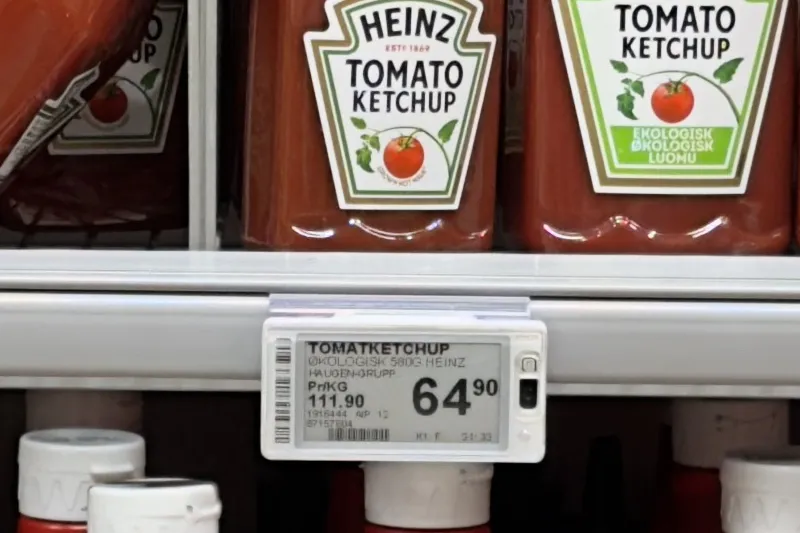
Photo: Wolfmann, CC BY-SA 4.0, via Wikimedia Commons
You walked in for milk and a box of cereal. You walked out with a scented candle, a two-pack of batteries, a seasonal throw pillow, and — oh yeah — the milk and cereal. Sound familiar? Don't beat yourself up too much. That wasn't a failure of willpower. That was a retail floor plan doing exactly what it was designed to do.
Store layout is one of the most quietly powerful tools in a retailer's arsenal. From the moment you push through those sliding glass doors, you're moving through a space that's been obsessively studied, tested, and optimized to maximize how much you spend. Let's break down exactly how it works — and what you can do about it.
The "Decompression Zone" Is the First Move
Retail designers have a name for the area just inside the entrance: the decompression zone. It's typically a wide, open stretch of space with minimal shelving or merchandise. Your brain needs a second to shift from "I'm outside" to "I'm shopping," and retailers know this. Anything placed in this zone gets largely ignored.
That's why you'll almost never see the stuff you actually came for right at the front door. The entrance is prime real estate used for seasonal displays, promotional signage, and shopping carts — not the everyday essentials that would let you grab and go. The store wants you walking, not beelining.
Grocery Stores Put the Essentials in the Back for a Reason
Here's one you've probably heard before but may not have fully appreciated: grocery stores deliberately bury high-demand staples — milk, eggs, bread, butter — as far from the entrance as possible. This isn't a coincidence or a storage logistics issue. It's a deliberate strategy.
Every step you take toward the back of the store is another opportunity for something to land in your cart. By the time you've navigated past the bakery (those fresh-bread smells aren't accidental either), the deli counter, and three aisles of snacks, you've already picked up a handful of things you weren't planning on. Mission accomplished — and you haven't even grabbed the milk yet.
The same logic applies to pharmacies inside big-box stores. The pharmacy counter is almost always tucked into the far corner, forcing customers to traverse the entire store floor to pick up a prescription.
Endcaps Are Retail's Most Valuable Real Estate
Those displays at the end of each aisle — called endcaps — are not random. Brands pay a premium to have their products featured there, and retailers design them to trigger impulse buys. Studies have shown that products placed on endcaps sell significantly more than the same items sitting mid-aisle, even when the price is identical.
Retailers also use endcaps to create the illusion of a deal. A product prominently displayed with bold signage feels like it's on sale, even when it isn't. Always check the unit price before assuming an endcap item is a bargain.
Eye Level Is Buy Level
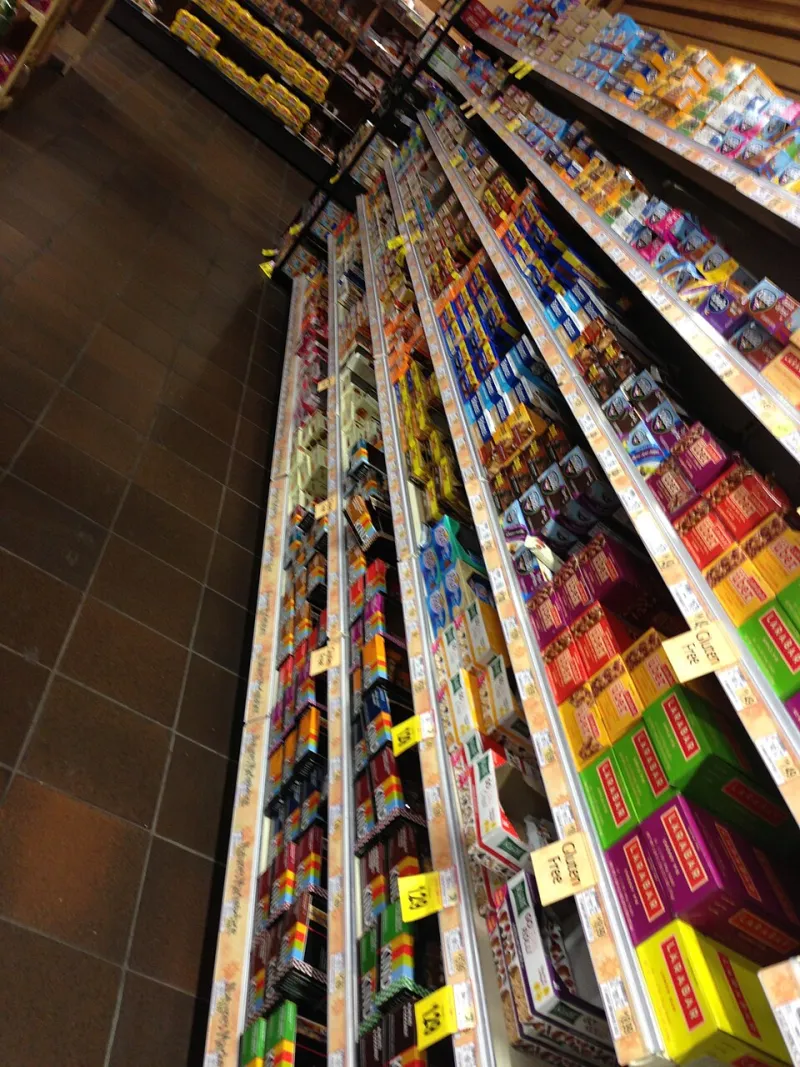
The shelving in any given aisle is not neutral territory. The products placed at eye level — roughly between your waist and your line of sight — are there because they generate the most sales. These are often higher-margin store-brand products, heavily advertised national brands, or items with the fattest profit margins for the retailer.
Budget-friendly options and store generics are frequently stocked on lower shelves, sometimes crouched so close to the floor that you'd have to bend down to notice them. Premium or oversized versions of products tend to get the top shelf. The sweet spot — the "buy zone" — is right in the middle, and that's where retailers park whatever they most want you to grab.
Next time you're shopping, make it a habit to scan the full shelf height before picking something up. The better deal is often just a foot lower than where your eyes naturally land.
Checkout Lanes: The Final Ambush
You've made it through the store. You've resisted the endcaps. You're feeling pretty good. And then you hit the checkout line.
Checkout lanes are a last-ditch effort to extract a few more dollars from you, and they're ruthlessly effective. Candy, gum, travel-size toiletries, batteries, lip balm, magazines — all of it is placed at exactly the right height and within arm's reach while you're standing still, slightly bored, and waiting. Children's eye-level treats are positioned low on purpose, targeting kids who are also standing there with nothing to do.
Some retailers have introduced "impulse-free" checkout lanes in response to consumer pushback, but they're still the minority. The default assumption is that you'll grab something while you wait.
The Racetrack Layout and Why You're Walking in Circles
Many large retailers — think Target, Walmart, and most department stores — use what's called a "racetrack" or "loop" floor plan. There's a main path that curves around the perimeter of the store, with departments branching off it. This design subtly guides you through as much of the store as possible before you reach the exit.
It feels like you're navigating freely, but you're actually being funneled. The racetrack exposes you to departments you didn't intend to visit, which is exactly the point. That home goods section you wandered into? You weren't lost. The layout just took you there.
How to Actually Fight Back
Knowing the tricks is half the battle. Here are some concrete ways to shop smarter:
- Make a list and stick to it. This sounds obvious, but a written list (or a phone list) gives you a reference point that overrides in-store temptation. If it's not on the list, it doesn't go in the cart.
- Shop the perimeter first. In most grocery stores, fresh produce, dairy, meat, and bakery items line the outer edges. If you're doing a healthy or budget-focused shop, sticking to the perimeter cuts down on exposure to processed, impulse-friendly center aisles.
- Use a basket instead of a cart when possible. A cart makes it physically easy to pile things in. A basket creates natural resistance once it gets heavy.
- Check the full shelf before grabbing. Scan top to bottom before reaching for the first thing you see. The best value is rarely at eye level.
- Skip the checkout lane browsing. Keep your phone out or stay focused on unloading your cart. The checkout lane is designed for distraction — don't take the bait.
- Shop with a time limit. The longer you're in a store, the more you spend. Give yourself a firm exit time and stick to it.
The Bottom Line
Retailers are not your enemies, but they are absolutely not neutral parties either. Every square foot of a store floor has been thought through, tested, and arranged to serve the retailer's bottom line. That doesn't mean you can't shop there — it just means you're better off walking in with your eyes open.
Understanding the game puts you back in control. And control, in this case, means keeping more of your money where it belongs: in your own pocket.